Essential Forex Trading Strategies for Beginners
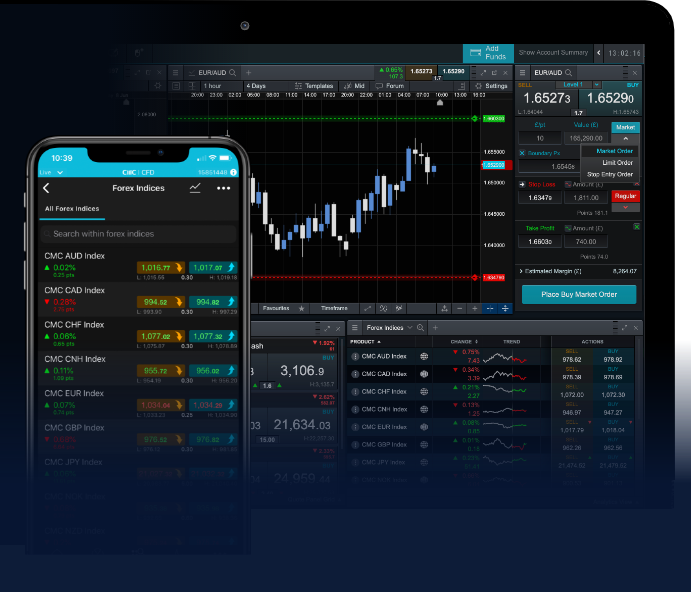
Venturing into the world of forex trading can be both exciting and overwhelming. For beginners, understanding the nuances of trading foreign currencies, market dynamics, and effective strategies is crucial. In this article, we’ll explore some essential forex trading strategies for beginners that can help set a strong foundation for your trading journey. Additionally, you might want to check out various forex trading strategies for beginners Forex Trading Platforms to find one that suits your needs and preferences.
1. Understanding Market Basics
Before diving into specifics, it’s essential to grasp the basics of forex trading. The forex market operates 24 hours a day, five days a week, allowing traders to engage at any time. Currencies are traded in pairs (e.g., EUR/USD), where one currency is exchanged for another. Understanding concepts like pips, spreads, and leverage will help you make informed decisions.
2. Setting Up a Trading Plan
A well-defined trading plan is a cornerstone of successful trading. Your plan should outline your trading goals, risk tolerance, and money management strategies. This consultative approach helps mitigate emotional trading and maintains discipline.
Components of a Trading Plan
- Risk Management: Decide how much of your capital you’re willing to risk on each trade. A common guideline is to risk no more than 1-2% of your account balance per trade.
- Entry and Exit Strategies: Define when you will enter and exit trades based on technical or fundamental analysis.
- Performance Review: Regularly assess your trades to learn from successes and mistakes.
3. Fundamental Analysis
Fundamental analysis involves evaluating economic indicators, political events, and overall market sentiment to predict currency movements. Beginners should stay informed about key economic reports (such as GDP, employment figures, and inflation rates) that can influence currency values.
Key Indicators to Monitor
- Interest Rates: Central banks control interest rates, which can have a significant effect on a currency’s value.
- Economic Reports: Pay attention to major economic releases and their potential market impact.
4. Technical Analysis
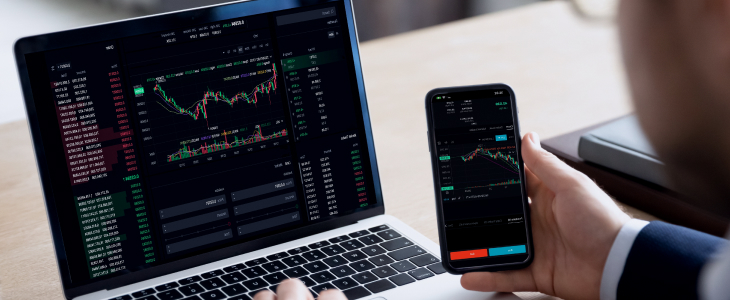
For many traders, especially beginners, technical analysis is a pivotal strategy. It involves studying price charts and using various indicators to make trading decisions. Learning to read candlestick patterns, support and resistance levels, and trends can significantly enhance your market insight.
Popular Indicators
- Moving Averages: These smooth out past price data to identify trends over a specific period.
- Relative Strength Index (RSI): This momentum oscillator helps identify overbought or oversold conditions.
- Bollinger Bands: These bands can help determine volatility and potential reversal points.
5. Using a Demo Account
Before committing real money, practicing on a demo account is highly recommended for beginners. A demo account enables you to trade with virtual money, allowing you to familiarize yourself with the trading platform, test strategies, and develop confidence without financial risk.
6. Implementing Risk Management Strategies
Risk management is crucial in forex trading. No strategy guarantees success, and losses are an unavoidable part of trading. Therefore, it’s essential to have measures in place to protect your capital. This includes setting stop-loss orders to limit potential losses and not over-leveraging your positions.
Common Risk Management Techniques
- Stop-Loss Orders: This allows you to set an automatic exit point for a trade, limiting potential losses.
- Take Profit Orders: Conversely, this lets you lock in profits at predetermined levels.
7. Start Small and Scale
When you’re starting, it’s wise to begin trading small amounts. This approach allows you to learn without exposing yourself to significant losses. As you gain experience and confidence, you can gradually increase your trade sizes.
8. Continuous Learning
The forex market is ever-changing, and continuous learning is vital for success. Read books, attend webinars, and follow industry news to stay abreast of market developments. Engaging with a trading community can also provide valuable insights and shared experiences.
9. Emotional Discipline
Trading can evoke a range of emotions, from excitement to fear and greed. As a beginner, it’s important to cultivate emotional discipline. Stick to your trading plan and avoid impulsive decisions based on short-term market movements.
Tips for Maintaining Discipline
- Stay Rational: Make decisions based on analysis, not emotions.
- Keep Records: Document trades to identify emotional triggers and improve future trading behavior.
Conclusion
Forex trading opens up a world of opportunities, but it requires commitment, education, and discipline, especially for beginners. By implementing the strategies outlined in this article, you can create a solid foundation for your trading endeavors. Always remember to practice sound risk management and never stop learning. The more informed you are, the better positioned you will be to navigate the complexities of the forex market and achieve your trading goals.