The Exciting World of Coin Flip: A Game of Chance and Strategy
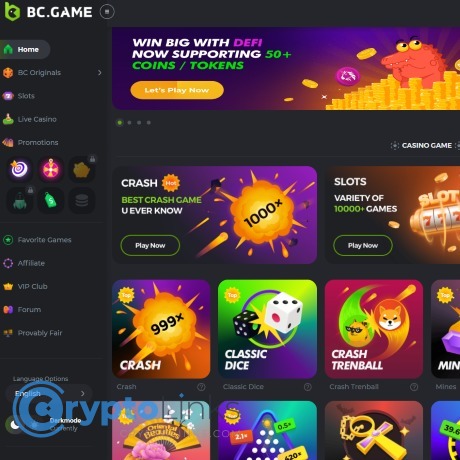
When it comes to games of chance, few are as universally recognized and straightforward as the coin flip. This simple yet engaging game has transcended cultures and generations, often serving as a quick decision-making tool. In this article, we will delve into the mechanics of coin flipping, its applications in various domains, and why it remains a popular choice for both entertainment and serious stakes. For a unique online experience, check out Coin Flip https://bcgame-cermin.com/coin-flip/ for an interactive version of Coin Flip.
Understanding the Basics of Coin Flip
The coin flip involves the use of a standard, often metallic coin featuring two distinct sides: heads and tails. The outcome is determined by tossing the coin into the air and allowing gravity to bring it back down, where it lands on a surface. The simplicity of this game lies in the binary nature of its possible outcomes: either heads or tails.
The History of Coin Flipping
Historically, coin flipping has been used in various cultures for decision-making purposes. The origins can be traced back to ancient civilizations, where coins were often seen not only as currency but also as tools for divination and fortune-telling. The Greeks and Romans frequently used coin tosses to settle disputes, decide the outcome of games, and even select leaders.
Coin Flip in Modern Gaming
With the rise of digital technology, the coin flip has found a new home in the online gaming arena. Many online casinos and gaming platforms have embraced this age-old game, offering players the chance to engage in virtual coin flips for fun or real money. The simplicity of the coin flip makes it appealing to both novice gamers and experienced gamblers alike.
The Role of Luck and Strategy
At its core, the coin flip is a game of chance, largely governed by luck. However, some players have introduced elements of strategy into their gameplay. For example, players may choose to flip a coin multiple times, trying to detect patterns or trends that could influence future outcomes. While the odds remain 50/50 for each flip, the psychological aspect behind decision-making can add layers of complexity to the game.
Coin Flip in Popular Culture
Coin flips have permeated popular culture, often appearing in movies, games, and literature as a symbol of fate or chance. Iconic scenes, such as those in the classic film “No Country for Old Men,” showcase the coin flip as a pivotal moment where characters’ lives hang in the balance. This representation emphasizes the gravity of seemingly simple decisions, reflecting the unpredictability of outcomes that life often presents.
Variations of Coin Flip
While the traditional coin flip remains popular, various adaptations exist. One notable variant is the “double coin flip,” where two coins are flipped simultaneously. Players can bet on whether both coins will land on the same side, introducing a layer of complexity and excitement. Another variation includes digital formats, where animations replace physical coin tossing, further enhancing engagement through intuitive user interfaces.
The Psychology Behind Coin Flip Decisions

Interestingly, studies in behavioral psychology reveal that people often attribute more significance to a coin flip than the straightforward odds suggest. This phenomenon can be linked to cognitive biases. For instance, the “gambler’s fallacy” – the belief that past events influence future outcomes in independent events – leads some to feel that a sequence of heads would naturally incline the next flip towards tails. Recognizing these biases can enrich understanding of player behaviors in coin-related games.
Coin Flipping in Sports
In sports, coin flips play a critical role, especially in American football, where the winner of the coin toss at the beginning of the game can influence strategies for the entire match. Coaches often choose to receive or defer the kickoff based on their assessment of team dynamics and environmental factors. This strategic application of a simple game of chance demonstrates its significance beyond mere entertainment.
Hosting a Coin Flip Game: Tips and Tricks
Hosting your own coin flip game can be a fantastic way to engage friends or family, whether it’s for entertainment or friendly competition. Here are some tips:
- Gather Participants: Ensure you have enough players to make the game interesting.
- Set Rules: Clearly define the rules, stakes, and any variations in play.
- Keep it Fair: Use a standard coin or a reliable digital flip to ensure integrity.
- Encourage Participation: Create a fun atmosphere, encouraging spectators to join in on the flips.
Conclusion: The Timeless Appeal of Coin Flipping
Despite technological advancements and the complexity of modern gaming, the coin flip exemplifies the timeless allure of chance. Its simplicity and universal appeal make it a fixture in both casual play and serious gambling. Whether utilized for decision-making, entertainment, or as a metaphor for life’s unpredictability, the coin flip remains an enduring symbol of fate and fortune. As we continue to explore the realms of gaming, the humble coin flip will undoubtedly hold its place as a beloved classic.