Exploring the rich tapestry of gambling's history through ages
The Origins of Gambling
The history of gambling stretches back thousands of years, with its roots embedded in the earliest human societies. Archaeological findings suggest that ancient civilizations, such as the Chinese and Egyptians, engaged in various forms of gaming, often using rudimentary dice made from bones or stones. These early gambling practices were not merely a pastime; they often held significant cultural and religious importance, with games used for divination and decision-making. In this context, Fair Go Casino serves as a modern reflection of these traditions.
In ancient Rome, betting on gladiatorial contests became a popular social activity. This period saw the development of more structured forms of gambling, including betting on the outcomes of athletic competitions. The Romans laid the groundwork for gambling as a societal norm, promoting both competition and camaraderie among citizens.
The Evolution Through the Ages
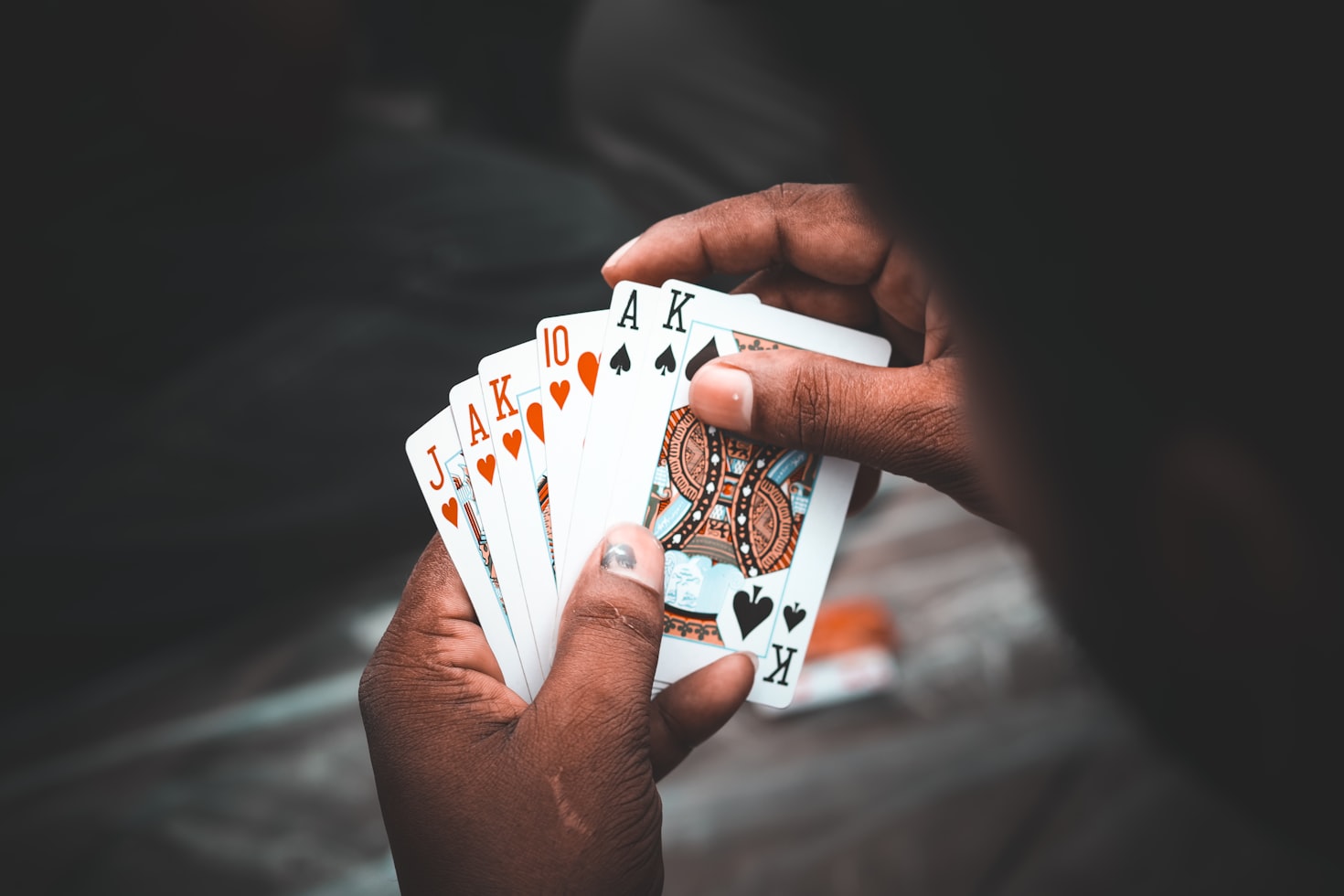
As societies advanced, so did their gambling practices. The Middle Ages introduced games like cards, which became a staple across Europe. Initially associated with the nobility, card games evolved into various forms that eventually trickled down to the general populace. This period saw the rise of gambling houses and informal betting venues, illustrating how gambling was becoming embedded in the social fabric of life.
With the advent of the Renaissance, gambling experienced a cultural renaissance itself. Games of chance became sophisticated, and the establishment of lotteries provided a state-sponsored method of gaming. This evolution reflected a growing acceptance of gambling, which began to be viewed as a legitimate form of entertainment rather than mere vice.
The Impact of Technology on Gambling
The 19th and 20th centuries marked significant turning points due to technological advancements. The invention of the slot machine in the late 1800s revolutionized gambling, making it accessible to the masses. This new form of gaming attracted a diverse audience, transforming gambling into a widespread leisure activity. The first casinos began to appear, providing a dedicated space for various games.
The digital revolution in the late 20th century further transformed the landscape of gambling. Online platforms emerged, allowing players to engage in their favorite games from the comfort of their homes. This shift not only expanded the reach of gambling but also created communities of players worldwide, illustrating how technology continues to shape social interactions through gaming.
Social Aspects of Gambling
Gambling has always been a social activity, bringing together people from various backgrounds. In modern times, casinos and online platforms serve as social hubs where players can interact, share experiences, and engage in friendly competition. These environments foster a sense of community, enhancing the overall experience for gamblers across diverse platforms.
However, the social aspects of gambling also come with challenges. While many enjoy it as a form of entertainment, gambling addiction can impact individuals and their families. This dual nature underscores the importance of responsible gaming practices, highlighting the need for support systems to assist those who may struggle.

Gambling in the Contemporary Era
Today, gambling stands as a multi-faceted industry, integrating traditional practices with innovative technology. Online casinos, such as Fair Go Casino, offer a diverse range of games and a community-focused atmosphere. Players can enjoy engaging experiences tailored to their preferences, whether through slots, table games, or live dealer options.
Fair Go Casino emphasizes a fair and transparent gaming environment, ensuring players have access to straightforward bonuses and fast payouts. This commitment to integrity and player satisfaction reflects a broader trend in the industry, where social engagement and community-building are becoming just as important as the games themselves.