
The Essential Guide to Forex Trading Brokers
In the world of Forex trading, the choice of a broker can make a significant difference in your trading experience and success. With dozens of options available, it’s crucial to know what to look for in a broker to ensure you find a reliable partner for your trading journey. In this guide, we will explore essential factors to consider when selecting a Forex trading broker, including regulatory compliance, trading platforms, commissions, and the quality of customer support. For a comprehensive look at various global trading options, check out forex trading brokers Global Trading Brokers.
Understanding Forex Trading Brokers
Forex trading brokers act as intermediaries between traders and the interbank forex market. They facilitate the buying and selling of currency pairs and provide various tools and resources to help traders make informed decisions. The broker essentially provides access to the market and enables traders to execute trades effectively.
Key Factors to Consider When Choosing a Forex Broker
1. Regulation and Trustworthiness
Regulation is one of the most crucial aspects to consider when choosing a Forex broker. A regulated broker adheres to specific financial standards set by regulatory bodies, which helps protect your funds and ensure fair trading practices. Check if the broker is regulated in a reputable jurisdiction such as the U.S. (CFTC, NFA), U.K. (FCA), or Australia (ASIC).
2. Trading Platforms and Tools
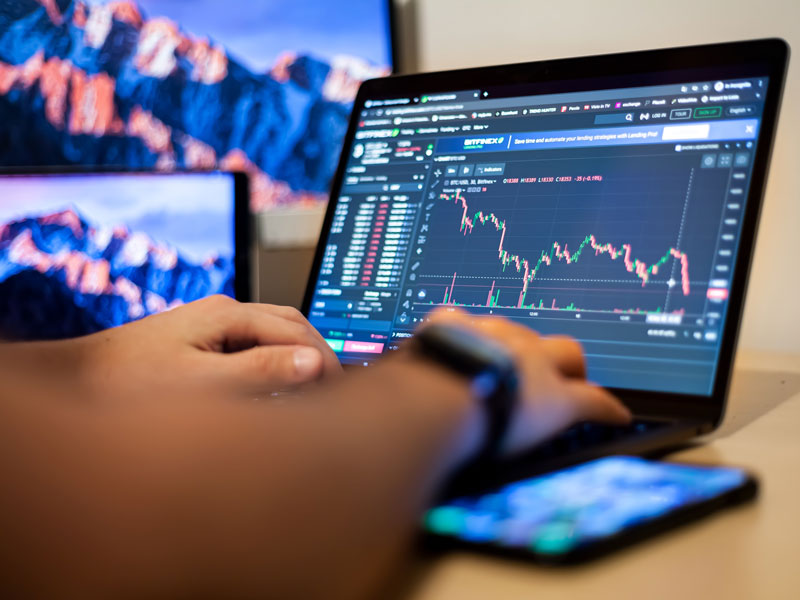
The trading platform offered by a broker can significantly impact your trading experience. Popular platforms like MetaTrader 4, MetaTrader 5, and proprietary platforms have various features, including advanced charting tools, technical indicators, and automated trading options. Make sure to choose a broker that provides a user-friendly and reliable platform suitable for your trading style.
3. Spreads and Commission Fees
The cost of trading is critical when selecting a Forex broker. Brokers usually charge through spreads or commissions. A tight spread means lower trading costs, which can be advantageous for frequent traders. Compare the spreads of several brokers and review their fee structures, ensuring they are transparent with no hidden charges.
4. Leverage Options
Leverage allows traders to control larger positions with a smaller amount of capital. While it can amplify profits, it also increases risk. Different brokers offer varying leverage ratios, which can impact your trading strategy. Ensure you understand the leverage being offered and how it aligns with your risk tolerance.
5. Customer Support
Effective customer support is vital for a smooth trading experience. Choose a broker that offers multiple channels for assistance, including live chat, email, and phone support. Test their response time and the quality of support during your research phase to ensure they will be helpful when you need assistance.

6. Availability of Currency Pairs
The range of currency pairs available can also play a role in your choice of broker. Some brokers may provide access to a more extensive list of currency pairs, including exotic pairs, which can offer unique trading opportunities. Examine the broker’s offerings and see if they align with your trading strategy.
7. Education and Research Resources
Good brokers often provide educational resources and research tools to help traders make informed decisions. Look for brokers offering webinars, articles, tutorials, and market analysis to enhance your trading knowledge and skills.
8. Account Types and Minimum Deposits
Many brokers offer various account types catering to different trading needs, such as standard accounts, mini accounts, and demo accounts. Additionally, consider the minimum deposit required to open an account. Some brokers allow you to start trading with a small amount, which is ideal for beginners.
Conclusion
Choosing the right Forex trading broker is a crucial step in your trading journey. By considering the factors outlined in this guide—regulation, trading platforms, fees, customer support, and more—you can make an informed decision that aligns with your trading goals. Always conduct thorough research and consider demo accounts before committing to a broker. Happy trading!