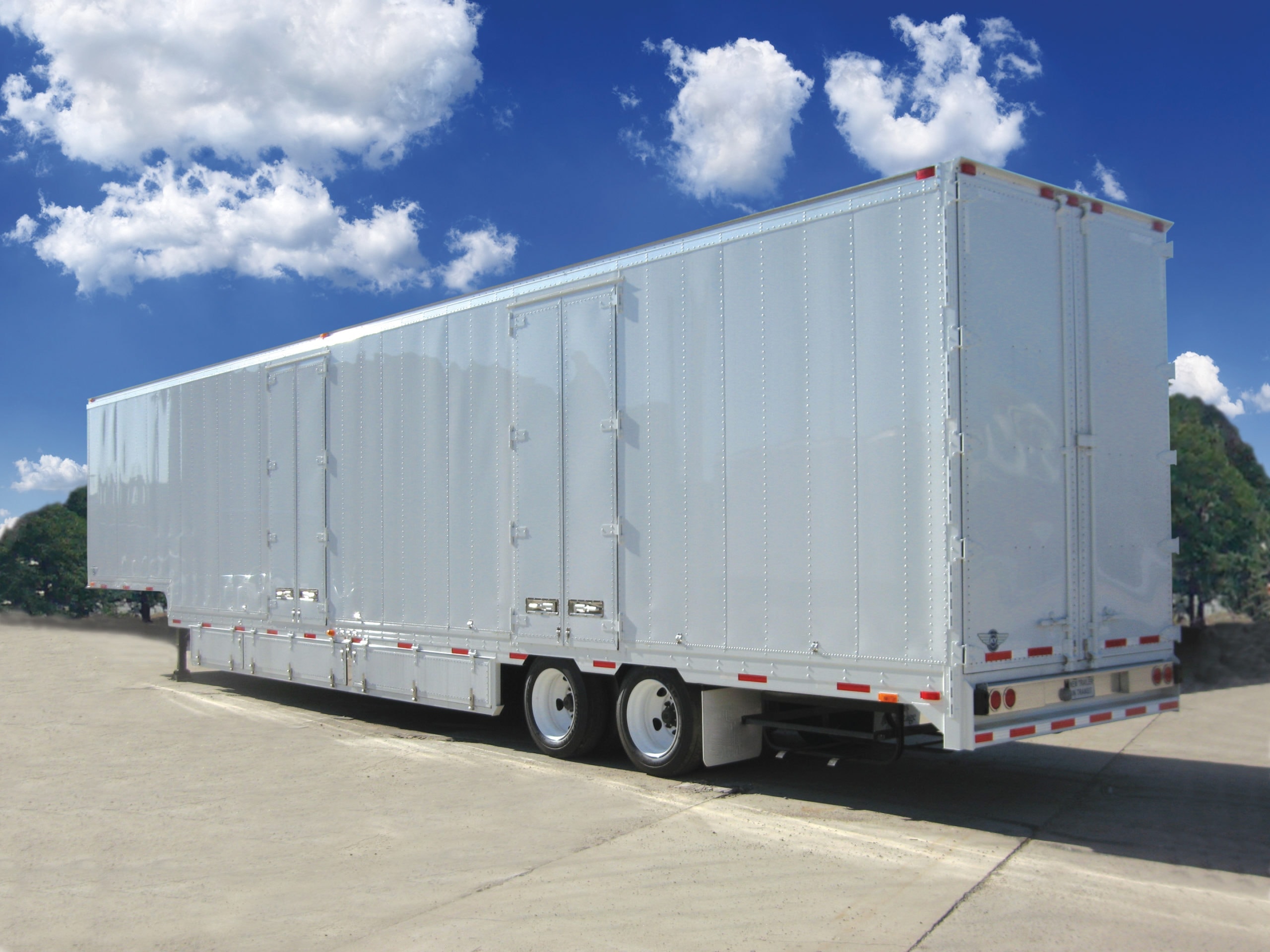
Your Comprehensive Guide to Moving Van Lines
When it comes to relocation, selecting the right moving van line is crucial. It can make the difference between a smooth transition to your new home and a stressful experience filled with unexpected complications. With countless moving companies available, understanding how to choose the best one for your specific needs is essential. In this article, we will discuss several vital factors to consider when selecting a moving van line, as well as tips for a smooth moving experience.
Understanding Moving Van Lines
Moving van lines are organizations that provide trucking services to assist people in transitioning goods from one location to another. This includes loading, transporting, and unloading household items. The most common types of moving services are local moves (moving within the same city), long-distance moves (moving between cities or states), and international relocations. It’s essential to understand that not all moving van lines offer the same services tailored to every type of move, so it’s vital to do your research.
Factors to Consider When Choosing a Moving Van Line
From reliability to pricing, here are eight crucial aspects to contemplate when selecting a moving van line:
1. Reputation and Reviews
Before committing to a moving van line, check the company’s reputation. Look for customer reviews on platforms such as Google, Yelp, and the Better Business Bureau. A reputable company will have a history of positive experiences. Additionally, ask friends and family for referrals.

2. Services Offered
Look beyond just transporting your belongings. Many moving van lines offer additional services like packing, unpacking, storage, and specialized moving (such as moving antiques or pianos). Determine what additional services the company provides and ask if they fit your unique requirements.
3. Licensing and Insurance
Ensure that the moving van line is fully licensed and insured. In the United States, interstate moving companies must have a Federal Motor Carrier Safety Administration (FMCSA) number. Ask for this information and verify the company’s credentials to ensure they follow regulations and standards.
4. Cost and Transparency
Understand the pricing model before settling on a moving van line. Most companies will offer a free quote, but some may charge extra for specific services or mileage. Be wary of low quotes that sound too good to be true; they can be a red flag for potential hidden fees. Always get a written estimate, and ensure you understand all aspects of the pricing.
5. Experience and Expertise
Experience in the moving industry can greatly impact the service you receive. Look for moving van lines that have been in business for several years and have expertise in handling moves similar to yours. Their knowledge in the industry often translates to better care and efficiency during your move.
6. Availability and Scheduling
Check the availability of the moving van line on your moving date. Many companies prioritize peak season (summer months), making it vital to plan and book well in advance. Discuss the scheduling process and confirm if they can accommodate your timeline before making a decision.
7. Customer Service
Excellent customer service includes getting timely responses to your inquiries, clarity in communication, and respectful interactions. If a moving van line is slow to respond or unwilling to answer your questions, it may indicate how they will handle your move. Prioritize companies that value communication and demonstrate professionalism from your initial contact.
8. Equipment and Fleet
Take note of the equipment used by the moving van line. A modern and well-maintained fleet indicates the professionalism of the company. They should have various truck sizes suited to move different loads and transport your belongings safely. Safety features, such as GPS tracking and proper padding for fragile items, should also be in place.
Tips for a Smooth Moving Experience
Alongside selecting the right moving van line, consider these tips for a successful moving experience:
1. Plan Ahead
The earlier you begin planning, the smoother your moving process will be. Create a checklist and timeline to keep emergency moving tasks at bay. Provide your chosen moving van line with as much notice as possible.
2. Declutter Before You Move
Minimizing your belongings can save on costs and reduce the moving burden. Take time to go through your items and donate or discard things you no longer need or use.
3. Pack Smart
Label boxes with their contents and the rooms they belong to in your new home. This will help movers unpack more efficiently, saving you time and effort. Consider creating a priority box for essential items you’ll require immediately upon arrival.
4. Confirm Details with Your Mover
A few days before the move, confirm the details with your moving van line, including time, date, and specific services requested. Communication helps avoid confusion and ensures everyone is on the same page.
5. Prepare for the Day of the Move
Have a plan in place for the day of the move—both for you and for your pet, if applicable. Set aside a designated area for your movers to load items efficiently, and make sure everyone knows where critical items are kept. Stay available to answer questions and facilitate a smooth transfer of items.
Conclusion
Choosing the right moving van line is pivotal in ensuring your moving experience is as seamless as possible. By taking into consideration the factors and tips discussed above, you can select a reliable mover that meets your needs and encourages a smooth transition to your new home. With the right preparation and by enlisting the help of a dependable moving van line, you can turn the potentially stressful process of relocating into a managed and positive experience.