The Importance of a European Arrest Warrant Lawyer
In an increasingly interconnected Europe, legal matters often transcend national borders. One significant mechanism facilitating this is the European Arrest Warrant (EAW), which allows for the arrest and transfer of individuals between EU member states. The intricacies of the EAW can be daunting, making the role of a European Arrest Warrant lawyer essential in navigating this complex legal landscape. For a deeper understanding, explore comprehensive defense strategies at European arrest warrant lawyer https://jurisnotary.com/pgs/european-arrest-warrant-lawyer-defense-strategies-across-the-eu.html.
What is a European Arrest Warrant?
The European Arrest Warrant is a legal tool established by the European Union (EU) to promote cooperation among member states in criminal matters. It simplifies the extradition process, allowing a person wanted for prosecution or to serve a sentence for a serious crime to be arrested in one EU country and transferred to another without the need for extradition treaties. This initiative was enacted in 2004 and aims to enhance the effectiveness of the criminal justice system across Europe.
The Role of a European Arrest Warrant Lawyer
A European Arrest Warrant lawyer specializes in the defense of individuals facing extradition under the EAW. Their primary role is to provide legal representation and advice throughout the extradition process. Understanding the nuances of both domestic law and EU legislation is crucial for ensuring effective defense strategies.
The responsibilities of a European Arrest Warrant lawyer include:
- Assessing the validity of the EAW and its compliance with EU regulations.
- Gathering and presenting evidence to support the client’s defense.
- Negotiating with authorities to seek alternatives to extradition.
- Representing clients in court hearings related to extradition.
- Advising clients on their rights and legal options throughout the process.
Grounds for Contesting an EAW
There are several legal grounds on which a European Arrest Warrant can be contested. A skilled lawyer will assess these grounds to determine the best course of action. Some common defenses include:
- Incompatibility with Fundamental Rights: If the possible extradition would lead to violations of fundamental rights, such as the right to a fair trial, it may be challenged.
- Lack of Jurisdiction: If the issuing country does not have jurisdiction over the alleged crime, this can be a valid defense.
- Double Jeopardy: If the individual has already been tried and acquitted for the same offense, they cannot be prosecuted again.
- Political Offenses: If the warrant is based on a political offense, it may be contested under EU law.
The Extradition Process
The extradition process under the European Arrest Warrant constitutes several steps:

- Issuance of the EAW: The competent judicial authority in the issuing member state issues the warrant.
- Arrest: The EAW is sent to law enforcement in the requested member state, which then executes the arrest.
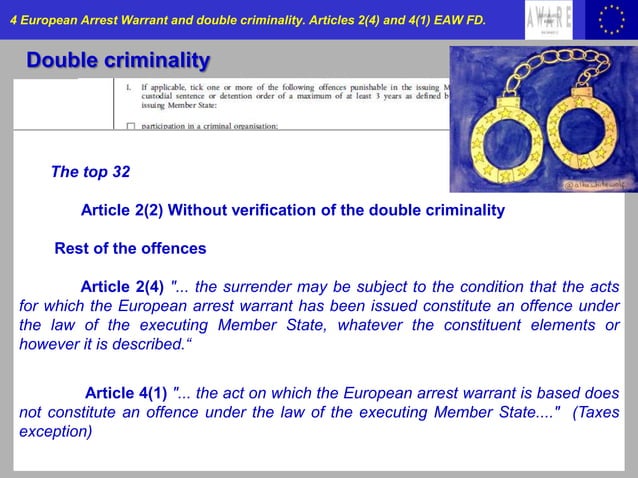
- Judicial Review: The arrested individual has the right to a judicial review of their case, which is where the lawyer plays a critical role.
- Decision on Extradition: If the court finds the EAW valid and the legal grounds for extradition are met, extradition can proceed, barring any appeals.
Challenges Faced in EAW Cases
Defending against a European Arrest Warrant can present several challenges:
- Time Constraints: The process needs to be swift, often leaving little time for a thorough defense.
- Language Barriers: Language differences can complicate legal proceedings, making effective communication essential.
- Cross-Border Legal Nuances: Different legal systems and standards across EU member states may introduce complications.
- Public Perception: High-profile cases can lead to media scrutiny, potentially influencing legal outcomes.
Finding the Right Lawyer
When facing an EAW, it is crucial to engage a lawyer who understands both criminal defense and the intricacies of the EAW system. Here are a few points to consider when selecting legal representation:
- Expertise in criminal law and experience with EAW cases.
- Knowledge of the specific legal system in the relevant EU member state.
- Strong track record of successful defenses in extradition cases.
- Transparent communication about the potential outcomes and processes involved.
Conclusion
Facing a European Arrest Warrant can be an overwhelming experience, and the stakes are high. The importance of having a skilled European Arrest Warrant lawyer cannot be overstated. They provide the expertise needed to navigate the complexities of the extradition process and work tirelessly to defend their clients’ rights. From assessing the validity of the warrant to representing individuals in court, their role is pivotal in ensuring fair legal proceedings. In a landscape where legal systems intersect and evolve, understanding one’s options and having the right representation can make a significant difference in the outcome.